
Views: 2595
It’s the end of the line for open-net pen farmed salmon.
Salmon has become one of the most popular dishes in restaurants and at home, but its popularity has come at a cost: It’s bad for people, the planet and both wild and farmed salmon.
Join the movement of chefs, restaurants, writers, caterers and food lovers to help us take open-net pen farmed salmon off the table.
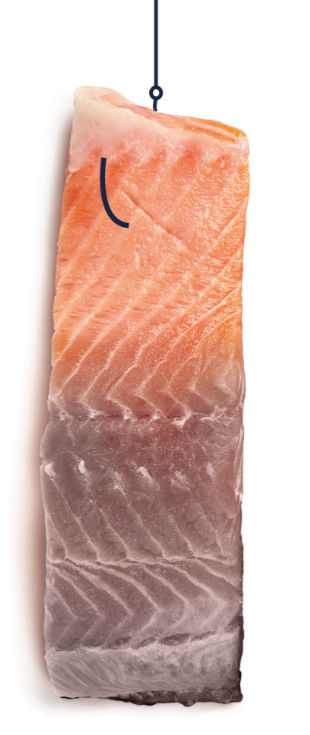
Get the facts.
Learn more about some of the top reasons chefs are dropping open-net pen farmed salmon from their menus.


Copyright Tavish Campbell
Bad for the planet
Open-net pen salmon farms are breeding grounds for parasites and disease. They also discharge toxic chemicals and waste into the surrounding environment, affecting and killing other marine wildlife.
Find out more about the environmental issues.

Copyright Clayoquot Action
Bad for people
Find out more about the sustainability issues.

Copyright Alex Morton
Bad for salmon
Worldwide, up to 25% of ocean-raised farmed salmon die every year from disease, sea lice infestations, and rising water temperatures attributed to climate change. Sometimes, the numbers are worse. For example, in 2019, and in the years since, Newfoundland’s salmon farms have lost more salmon than they have harvested. Worldwide, according to a recent peer-reviewed study in Nature, 865 million farmed salmon have died in mass die-offs in the last decade.
Find out more about the welfare issues..
Our Off the table community
Head to the Members’ page to see our growing community and find a supporting restaurant near you.
News
Ottawa’s renewed salmon funding spawns both hope and skepticism
New funding can’t act as a “band-aid” to patch over weak regulations, especially with changes to laws like the federal Impact Assessment Act that speed up approvals and reduce environmental reviews, said Jonathan Moore, an SFU professor who studies salmon. “The real...

Norwegian fish farms polluting fjords with waste likened to ‘raw sewage of millions of people’
“Norway is a small country of just 5.5 million people, and the output of aquaculture pollution in terms of these three nutrients is three to five times larger than the population,” said Alexandra Pires Duro, a data scientist at Sunstone and author of the report. “The...

The Salmon Farmers Are at It Again
More than two decades ago, the salmon farming industry launched a global campaign to try to discredit a groundbreaking, peer-reviewed scientific study that found farmed salmon contained higher levels of PCBs, a suspected carcinogen, and other contaminants than their...
Antibiotic traces from salmon farms found in Australian marine species
“University of Queensland's antibiotic resistance expert Mark Blaskovich said the levels were "ideal for generating resistance," which could have wider implications for aquatic and human health.” Read the full article.
Tribunal approves salmon farm expansion despite community opposition
“This decision ignores the clear warnings from communities, scientists, and Indigenous nations,” said Ecojustice lawyer, James Gunvaldsen Klaassen. Read the full news release.
The Myth of “Sustainable” Aquaculture
This report examines what that story leaves out: that, through greenwashing, aquaculture has brought factory farming from land to sea. Across five central claims that anchor “sustainable seafood” messaging, it shows how industrial fish farming has expanded at a scale...
Sustainable aquaculture in Canada: Lost in translation
"Canada is a signatory to United Nations conventions on sustainable development and has entrenched sustainability goals in legislation and policies relating to natural resource sectors including aquaculture. Monitoring and measuring progress towards sustainable...
New Checklist for Science Studies
New research on the risks and benefits of farmed Atlantic salmon seem to be published every day. Competing claims can be confusing, particularly when one side (aquaculture) spends millions of dollars financing research and public relations campaigns. To help you...
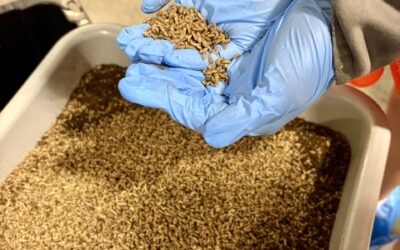
It is not just the fish you chose to eat that matters, but what that fish eats, too: Pressure increases on the aquaculture industry
If you need another reason to stop eating farmed Atlantic salmon, a new study warns that the aquaculture industry faces constraints because its demands have reduced global stocks of forage fish required for the fishmeal and oil essential to aquaculture feed. Combined...

Off the Table Canada to join Devour! The Food Film Festival
Off the Table Canada is proud to join the international chefs and filmmakers at Devour! The Food Film Festival. The theme for this year’s festival is “Game Changers: Changemaking Visionaries.” The focus on ethical eating mirrors Off the Table’s global campaign to...
“At our restaurant, we prioritize serving locally sourced ingredients to support our community and promote sustainability. By doing so, we ensure that our dishes burst with the freshest flavors and maintain our dedication to environmental stewardship. We recognize the detrimental effects that ocean-raised salmon can have on our local ecosystems, including water pollution and the transmission of diseases to wild fish populations. Opting for wild-caught or land-raised salmon resonates with our ethos of honouring the natural abundance of our region while minimizing our ecological impact.”
Heather Townsend
EDNA Restaurant, Halifax NS