
Views: 2340
It’s the end of the line for open-net pen farmed salmon.
Salmon has become one of the most popular dishes in restaurants and at home, but its popularity has come at a cost: It’s bad for people, the planet and both wild and farmed salmon.
Join the movement of chefs, restaurants, writers, caterers and food lovers to help us take open-net pen farmed salmon off the table.
Get the facts.
Learn more about some of the top reasons chefs are dropping open-net pen farmed salmon from their menus.

Copyright Tavish Campbell
Bad for the planet
Open-net pen salmon farms are breeding grounds for parasites and disease. They also discharge toxic chemicals and waste into the surrounding environment, affecting and killing other marine wildlife.
Find out more about the environmental issues.

Copyright Clayoquot Action
Bad for people
Find out more about the sustainability issues.

Copyright Alex Morton
Bad for salmon
Worldwide, up to 25% of ocean-raised farmed salmon die every year from disease, sea lice infestations, and rising water temperatures attributed to climate change. Sometimes, the numbers are worse. For example, in 2019, and in the years since, Newfoundland’s salmon farms have lost more salmon than they have harvested. Worldwide, according to a recent peer-reviewed study in Nature, 865 million farmed salmon have died in mass die-offs in the last decade.
Find out more about the welfare issues..
Our Off the table community
Head to the Members’ page to see our growing community and find a supporting restaurant near you.
News
The dirty secret behind the farmed fish you eat
In an article published in the New York Times October 8, investigative journalist Ian Urbina unveils the crime and abuse plaguing the aquaculture industry from feed production to processing and distribution. In the most extensive audit ever conducted on fish meal, one...
Innovation in the heart of Quebec
Samonix plans a land-based salmon farm in Quebec’s Outaouais region, recirculating 99% of its water. Read more about the project.
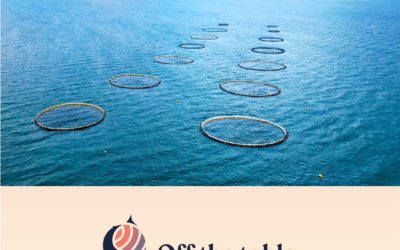
Mainers Fight to Protect Wild Salmon From Fish Farms
"Govern and Canney also argue that the state lacks sufficient independent sampling and inspections beneath the net pens, while Shaw points to gaps in monitoring escaped farmed salmon." Read the full story on Sentient.
Prominent city restaurants drop farmed salmon from menus
Fine-dining restaurant owner, James Thomson says, “Supporting producers who work in harmony with nature has always been central to our philosophy, and we are proud to support the Off The Table campaign.” Read the full article in Edinburgh News.

Opinions clash over N.S. plan to grow aquaculture in 3-year seafood strategy
Doug Frantz, co-author of Salmon Wars: The Dark Underbelly of Our Favorite Fish, referred to the strategy as a “handout” for the aquaculture industry in a time of “steep austerity.” Read the full story at CBC.

Why I’ll never eat farmed salmon again
"Many coastal fish farms may appear 'benign from the surface', according to Douglas Frantz and Catherine Collins in their book, Salmon Wars, but 'beneath the waterline is a different story'." Read the full story at Daily Mail.

Seafood Industry Giants Failing to Tackle Pollution, New Study Finds
A first-ever seafood index, which was launched in May by the global investor network FAIRR Initiative, assessed 20 firms — including salmon farmers Mowi and Bakkafrost — on the social, health, and environmental impacts of their operations.
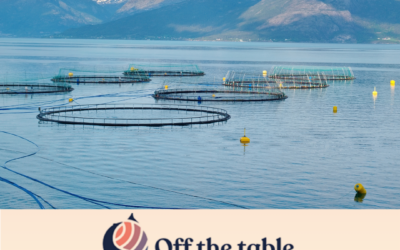
Canadian First Nations leaders urge government to protect wild salmon in British Columbia
"First Nations have participated in transition planning and engagement processes in good faith. However, there is increasing concern regarding the lack of transparency surrounding the outcomes of the final transition planning phase, the absence of timelines regarding...
BBC Traitors producers told farmed salmon must be off menu
"The group argues that the product is closely linked to environmental damage in Scotland’s rivers and coastal waters, and is at odds with the image of unspoilt nature showcased on screen." Read the full story at The Herald.

Cooke Aquaculture: The Cruelty Continues
"For several months in late 2025, an Animal Outlook investigator working as a Hatchery Technician documented conditions at the vertically integrated aquaculture operation that houses millions of Atlantic salmon. The footage reveals that previously documented problems...
“At our restaurant, we prioritize serving locally sourced ingredients to support our community and promote sustainability. By doing so, we ensure that our dishes burst with the freshest flavors and maintain our dedication to environmental stewardship. We recognize the detrimental effects that ocean-raised salmon can have on our local ecosystems, including water pollution and the transmission of diseases to wild fish populations. Opting for wild-caught or land-raised salmon resonates with our ethos of honouring the natural abundance of our region while minimizing our ecological impact.”
Heather Townsend
EDNA Restaurant, Halifax NS